The Skills I Didn’t Realize Were Already Expected Before Preschool
If you’re looking for a preschool readiness checklist, chances are you’re wondering what your child might be expected to know before they walk into a classroom for the first time.
I remember wondering the same thing.
When my oldest son, Freddie, was getting ready to start preschool, I thought I knew exactly what to expect. I pictured circle time, story time, learning colors and shapes, practicing with scissors, and all those sweet first-school milestones you dream about as a parent.
What I didn’t expect was that some preschool readiness skills would already be expected from the very beginning.
I still remember how excited I was for my first parent-teacher conference. I couldn’t wait to hear about all the new things Freddie was learning and the friends he was making.
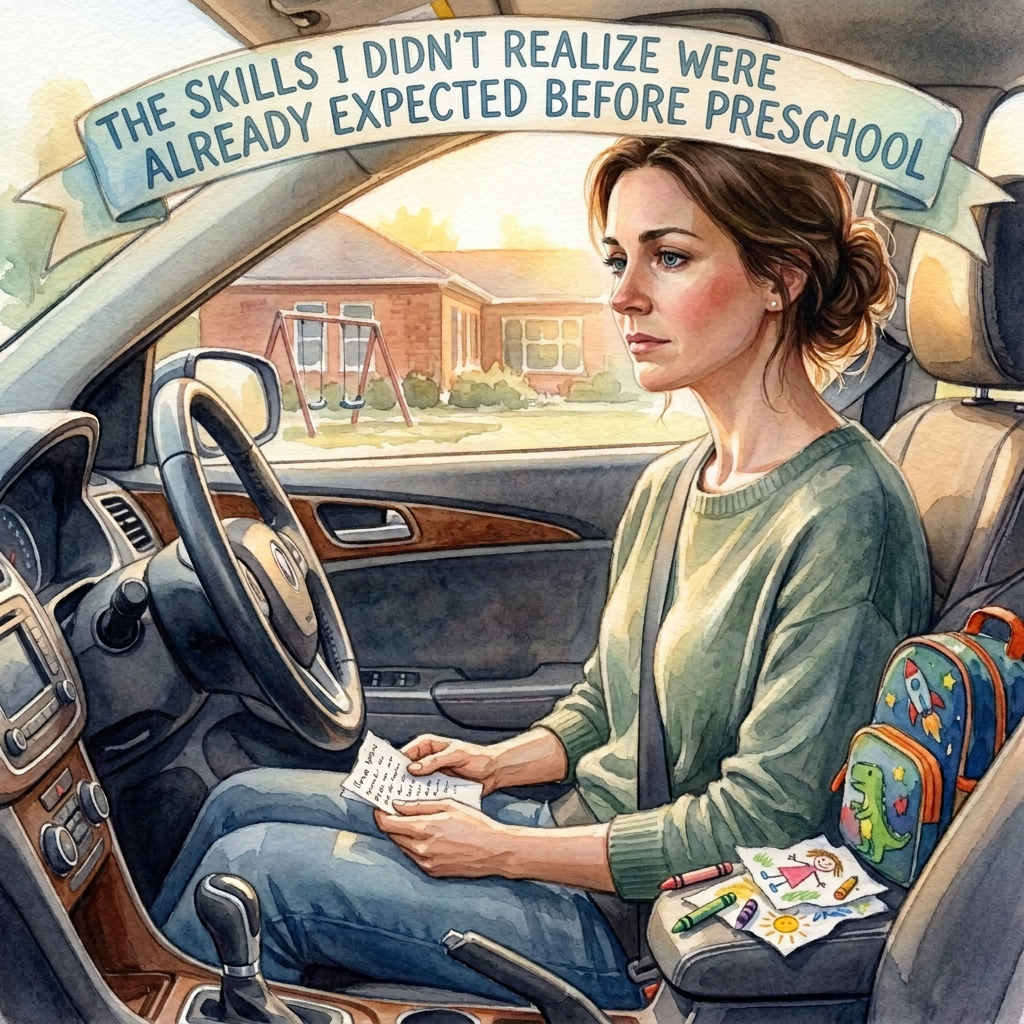
Instead, I walked out feeling overwhelmed and trying not to cry in the parking lot.
The concerns weren’t about his behavior or effort. They were about skills that I genuinely thought would be taught during preschool.
I remember feeling surprised that there was already an expectation that children would recognize their names and have some familiarity with writing them. I was also caught off guard by how quickly the classroom moved into letter identification and letter formation.
In my mind, those were exactly the kinds of things preschool was supposed to teach.
I knew children started developing those skills before preschool. I just didn’t realize some programs expected those foundations to already be in place.
What surprised me even more was that I had expected much more time to be spent on foundational pre-writing skills. Things like drawing shapes, making lines, strengthening little hands, and building fine motor skills before moving into letters and writing.
As a first-time school parent, that realization was hard.
It’s important for me to say that our preschool teachers were wonderful. They weren’t criticizing my son, and they certainly weren’t criticizing me. They cared deeply about him and wanted him to be successful. They shared concerns because they wanted to help us identify areas where he might need a little extra support.
And they did help us.
I’m grateful for that.
But looking back now, I wish I had understood preschool expectations a little earlier. Not so I could have pushed harder or worried more, but so I could have supported those skills in simple, everyday ways before school started.
That’s exactly why I created this preschool readiness checklist.
What Surprised Me Most About Preschool Readiness
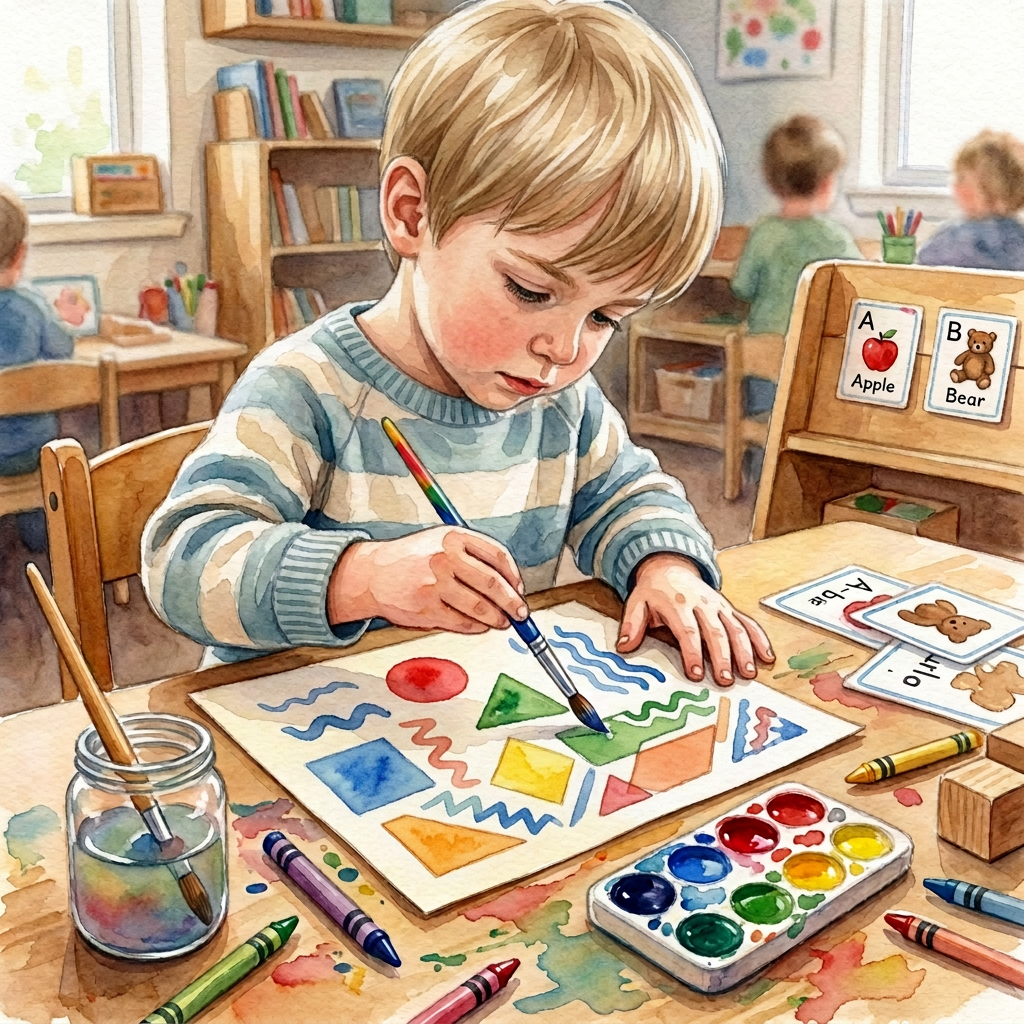
The skills that surprised me most were:
✓ Name recognition
✓ Name writing
✓ Letter identification
✓ Letter formation
Every preschool is different, but these were some of the expectations that caught me off guard.
Meanwhile, I had expected more time to be spent practicing:
✓ Drawing shapes
✓ Making vertical, horizontal, and diagonal lines
✓ Forming X’s and plus signs
✓ Strengthening fine motor skills
✓ Learning pencil control through play
Again, every school is different. This was simply our experience.
What Helped Us Most
The interesting thing is that the skills that helped the most didn’t come from elaborate lessons or expensive programs.
They came from small moments.
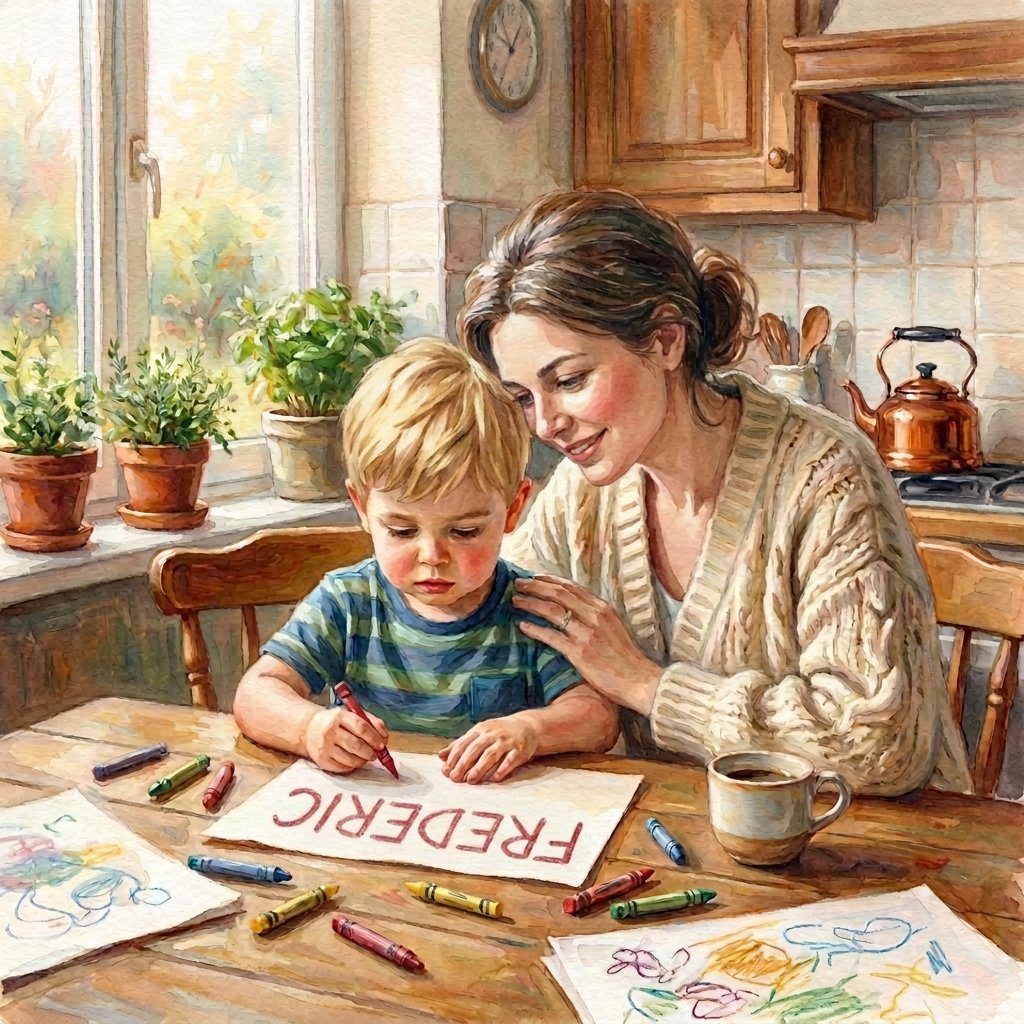
Drawing together at the kitchen table.
Tracing shapes.
Practicing names.
Reading books.
Watching guided drawing videos together.
Playing with activities that strengthened little hands.
None of it felt like school.
None of it took hours.
It was just time spent together.
And somehow, those little moments added up.
Today, Freddie is thriving in first grade, and we’ve had the opportunity to approach preschool differently with his younger brother, Cody. That experience taught me something I wish I had known from the beginning:
Knowing what to expect doesn’t create pressure.
It creates opportunity.
Opportunity to notice where our children may need support.
Opportunity to practice skills through play.
Opportunity to feel a little less surprised when school begins.
One thing I didn’t fully appreciate before Freddie started school was how important the hours after school would become. Those hours aren’t just about reconnecting after a busy day. They’re also when we find time for reading practice, handwriting, and some of the learning that continues at home. Over time, we’ve found a rhythm that works well for our family, which I share in The After-School Rhythm That Works for Our Family.
A Gentle Reminder for Parents
Every child develops at their own pace.
Every preschool has different expectations.
And this preschool readiness checklist isn’t meant to create pressure or suggest that every child should master every skill before preschool.
It’s simply a guide based on our family’s experience and the skills that surprised me most as a first-time preschool parent.
Because if sharing our experience helps even one parent avoid sitting in a parking lot holding back tears after their first conference, then it was worth sharing.
My hope is that this checklist helps you feel informed, prepared, and confident as your child begins this exciting new chapter.
Enjoy the excitement.
Take the pictures.
Celebrate the milestones.
And know that you’re already doing more right than you think. 💛
Some of our best learning moments happen naturally at home. Living in a smaller house means we’re often learning alongside one another. It’s not uncommon for Cody to chime in while Freddie practices reading, picking up lessons of his own along the way. That experience has given me a deeper appreciation for the unexpected gifts of our home, which I wrote about in Why I’m Grateful for Our Small Home.
Your Gentle Reflection
Take a quiet moment for yourself
1. What Makes Your Child Unique?
What strengths, interests, or personality traits make your child who they are, even if they don’t show up on a preschool readiness checklist?
2. What Skills Are Already Growing?
When you look at your child’s everyday play, conversations, and routines, what readiness skills are already developing naturally?
3. What Does Support Look Like Right Now?
What’s one simple, pressure-free way you could support your child this season while still enjoying these precious preschool years?
💛 Remember: preschool readiness isn’t about having every skill mastered. It’s about helping our children grow one small step at a time while celebrating who they already are.
Continue Reading
If you’re navigating this season of raising young children, you may also enjoy:
🍂 When the Leaves Let Go: Trusting God Through Seasons of Change
A reflection on slowing down, protecting family connection, and letting go of what no longer serves your family.
⚽ When Sports Meet Supper Time
How we’re learning to balance activities, family meals, and connection at home.
🏡 Welcome to Family Harmony, Gentle Home
A look at the values and rhythms we’re intentionally cultivating in our family.
🍂 Early Fall Family Rhythms: Raking Leaves, Jumping Piles, and Golden Woods
Simple ways we’re embracing seasonal family life and creating memories together.
Notes for the Little Years 💛
Parenting doesn’t come with a roadmap, but it helps to have encouragement along the way.
Join me for thoughtful reflections, family activities, seasonal inspiration, and practical resources for raising children through the little years.
🌿 Free Preschool Readiness Checklist + Bonus Learning Resources
While every child develops at their own pace, having a simple guide can bring confidence and peace of mind during the months before school begins. That’s exactly why I created this Preschool Readiness Checklist: to help families focus on practical skills, hands-on learning, and building confidence together.
When you subscribe, you’ll receive the Preschool Readiness Checklist along with access to some of our favorite learning opportunities. These are the same simple, cozy learning activities we use at home to support growing in a gentle, intentional way.
💛 Subscribe for future posts, printables, and resources
💛 Enter your email below to receive your free Preschool Readiness Checklist and bonus resources.


Leave a Reply